ACCRA, Sept 9 (The African Portal) – A troubling observation is gaining traction across Ghana: the skies, once punctuated by the soaring silhouettes of vultures, are becoming increasingly empty. While the claim that there are “no more vultures” is an overstatement, scientific evidence overwhelmingly substantiates a catastrophic decline in their populations, mirroring a grim trend across West Africa. This silent crisis, driven by a confluence of human-induced threats, not only pushes these ecologically vital birds towards extinction but also signals a profound deterioration of environmental health, with potentially devastating consequences for human well-being.
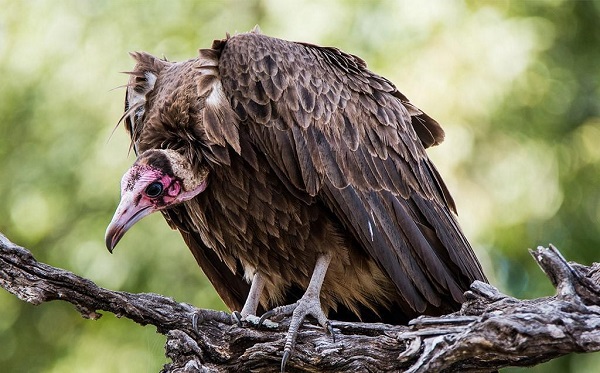
Recent peer-reviewed studies confirm the severity of the vulture decline in Ghana. Although no species are extinct in the wild, several have been eliminated from large portions of their former ranges. Ghana is home to eight vulture species, six of which are of significant conservation concern (According to IUCN in 2024). A 2019 study revealed that 89% of Ghanaians surveyed believe vulture numbers have drastically fallen.
While these magnificent birds are now a rare sight in many parts of the country, pockets of hope remain. A 2024 study in Mole National Park, Ghana’s largest protected area, discovered nesting sites for three critically endangered species: the Hooded Vulture, the White-backed Vulture, and the White-headed Vulture. This discovery underscores the vital role of protected areas as the last strongholds for these imperiled species.
The Global Onslaught: A World of Threats for Avian Life
The plight of Ghana’s vultures is a poignant chapter in a much larger and tragic narrative of global bird decline. Around the world, avian populations face a gauntlet of threats, many of which are directly or indirectly linked to human activities. Habitat loss and degradation stand as the primary drivers of bird population declines worldwide.
The relentless expansion of agriculture, urbanization, and deforestation destroys and fragments the natural environments that birds depend on for food, shelter, and breeding. Collisions with man-made structures are another major cause of bird mortality; billions of birds are killed annually from striking buildings, communication towers, power lines, and vehicles. Predation by domestic and feral cats exacts a staggering toll on wild bird populations, with billions of deaths attributed to them each year in the United States alone.
Poisoning, both intentional and unintentional, also poses a grave danger. Pesticides, lead ammunition, and veterinary drugs like diclofenac contaminate the food chain, leading to widespread fatalities. Furthermore, climate change is increasingly recognized as a significant and escalating threat, altering habitats, disrupting food sources, and creating more extreme weather events that impact bird survival and migration.
The Deadly Cocktail Threatening Ghana’s Vultures
In Ghana and across West Africa, a specific and deadly combination of factors is decimating vulture populations. Poisoning is the most significant threat. Vultures are often the unintended victims of poisoned carcasses left by farmers to kill predators that threaten their livestock. Furthermore, a sinister and growing threat is the intentional poisoning of vultures by poachers, as the birds’ habit of circling over animal carcasses can alert authorities to illegal activities such as elephant and rhino poaching, making them targets for elimination.
Belief-based use and poaching also contribute significantly; the trade in vulture parts for traditional medicine is a major driver of their decline. Vulture heads and other body parts are erroneously believed to bring good luck or possess special powers, fueling a lucrative and unsustainable trade that has led to direct persecution and hunting of vultures and their eggs.
Habitat loss is another critical factor. The felling of large trees, particularly the silk cotton tree which is a preferred nesting site for vultures, has severely impacted their ability to breed and roost. Deforestation for agriculture and charcoal production further fragments their habitat. Finally, as energy infrastructure expands, vultures are increasingly at risk of electrocution and collision with power lines.
The Grave Consequences of a Vulture-less World
The disappearance of vultures from the Ghanian skies is not merely a loss of biodiversity; it is a critical threat to ecosystem stability and human health. Vultures are nature’s most efficient cleanup crew, playing an irreplaceable role as obligate scavengers. Their highly acidic stomachs are uniquely adapted to neutralize pathogens found in decaying carcasses, such as those that cause anthrax, botulism, and rabies.
By swiftly disposing of dead animals, they prevent the spread of diseases to other wildlife, livestock, and humans. In the absence of vultures, the decomposition of carcasses slows, creating breeding grounds for disease-carrying insects like flies. This can lead to an increase in the populations of other, less specialized scavengers, such as feral dogs and rats. These “facultative scavengers” are often vectors for diseases that can be transmitted to humans. The catastrophic decline of vultures in India in the 1990s due to diclofenac poisoning led to a surge in the feral dog population and a corresponding increase in human rabies cases, costing the economy billions of dollars.
What the Absence of Vultures Signifies
The decline of vulture populations is a powerful and alarming bio-indicator of a deeply unhealthy ecosystem. Their disappearance signals widespread environmental contamination through the presence of poisons in the food chain. It also points to unsustainable land use, as the loss of nesting trees and foraging habitats reflects damaging agricultural and forestry practices. Ultimately, the absence of a keystone species like the vulture disrupts the natural processes of decomposition and nutrient cycling, with cascading effects throughout the food web.
Practical Measures: A Path to Recovery
Reversing the decline of Ghana’s vultures and those across West Africa requires a concerted and multi-pronged approach. Fortunately, a roadmap for action already exists in the form of the West African Vulture Conservation Action Plan (WAVCAP), which provides a 20-year vision to restore vulture populations. Key practical measures begin with public education and awareness.
Launching nationwide campaigns to educate the public about the vital ecological role of vultures and the threats they face is crucial, including dispelling myths that associate vultures with witchcraft and bad omens. It is also essential to strengthen and enforce legislation by ensuring that robust laws banning the trade in vulture parts and regulating the use of harmful pesticides are strictly implemented. Protecting nesting sites and habitats is paramount; this involves identifying and protecting critical vulture habitats, particularly nesting sites, and includes efforts to conserve large, mature trees.
Tackling the poisoning crisis requires implementing strategies to mitigate both intentional and unintentional poisoning, such as promoting the use of vulture-safe veterinary drugs and working with communities to find alternative solutions to human-wildlife conflict. Community engagement and conservation can be highly effective by involving local communities as “vulture champions” and providing them with training in monitoring and rapid response to poisoning incidents. Lastly, given the migratory nature of vultures, international cooperation between governments and conservation organizations is vital to address the transboundary nature of the threats.
The silent skies over Ghana are a stark warning. The fate of the vulture is inextricably linked to the health of our environment and our own well-being. Urgent and decisive action is needed to ensure that these magnificent and essential birds once again grace the African skies.