The Strategic Youth Network for Development (SYND), a civil society organisation has called on the developers and financiers of a $20 million low-carbon cement project in Ghana to explain delays in implementing 12 measures designed to protect the environment, workers and affected communities.
The organisation said the deadlines for implementing the measures had passed without a publicly available progress report, raising concerns about transparency and the protection of communities affected by the project.
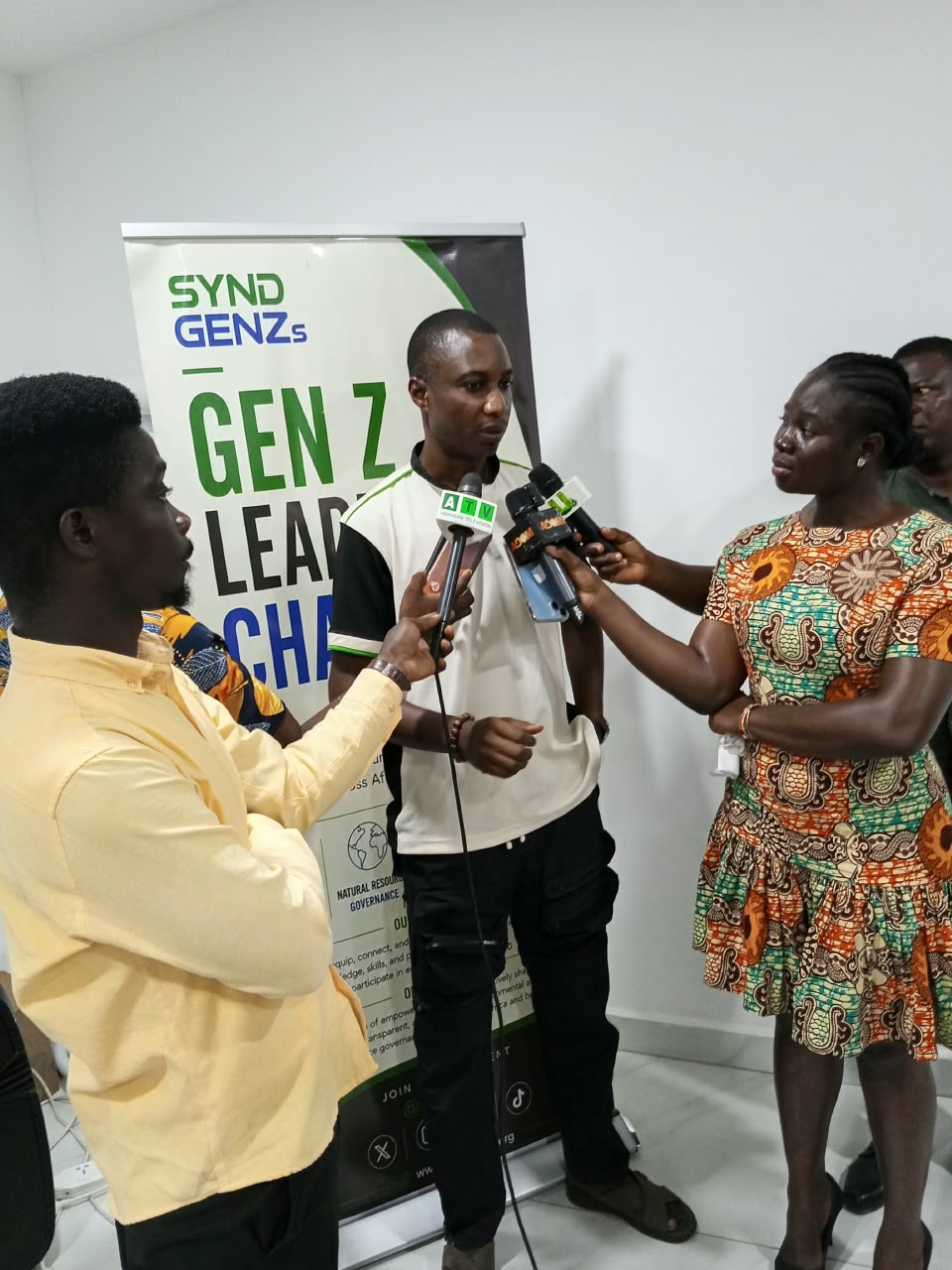
The concerns were raised at the launch of its Gen Z-IFC campaign in Accra yesterday, where the organisation called for accountability and timely disclosure of information on the project’s environmental and social commitments.
The Executive Coordinator of SYND, Mr Chibeze Ezekiel, said the 12 measures formed part of an Environmental and Social Action Plan designed to address potential risks associated with the project being undertaken by Continental Blue Investment Ghana Limited (CBI), a cement manufacturing company operating in the Tema Free Zones Enclave.
He said the measures covered air quality monitoring, emergency preparedness, workers’ rights, traffic safety, community engagement and procedures for handling complaints.
Other measures, he said, were intended to prevent child labour in the supply chain and protect the livelihoods of people affected by quarry operations.
Mr Ezekiel said the organisation was concerned about the lack of publicly available information on progress made in implementing the measures, adding that affected communities needed to know the actions completed and those yet to be addressed.
“Communities must be able to know what has been done, what remains outstanding and when the outstanding actions will be completed,” he said.
Beyond the implementation delays, Mr Ezekiel raised concerns about a proposed quarry covering about 304 acres, which he said could affect local livelihoods and community interests.
He said information cited by SYND indicated that 21 families were affected by compensation arrangements, while about 100 women potters depended on the area for their livelihoods.
The proposed quarry site also contained shrines considered important to local communities, he said.
Mr Ezekiel said the concerns underscored the need for the project developers to ensure that environmental and social safeguards were implemented on time and that affected communities received adequate information about decisions that could affect their livelihoods.
He called on the developers and the International Finance Corporation (IFC)finaciers of the project to account for the outstanding measures and publish clear timelines for their implementation.
He said making the information public would enable communities and other stakeholders to monitor progress and assess whether the project’s environmental and social commitments were being met.