“No one should fight the healthcare system while fighting an illness.”
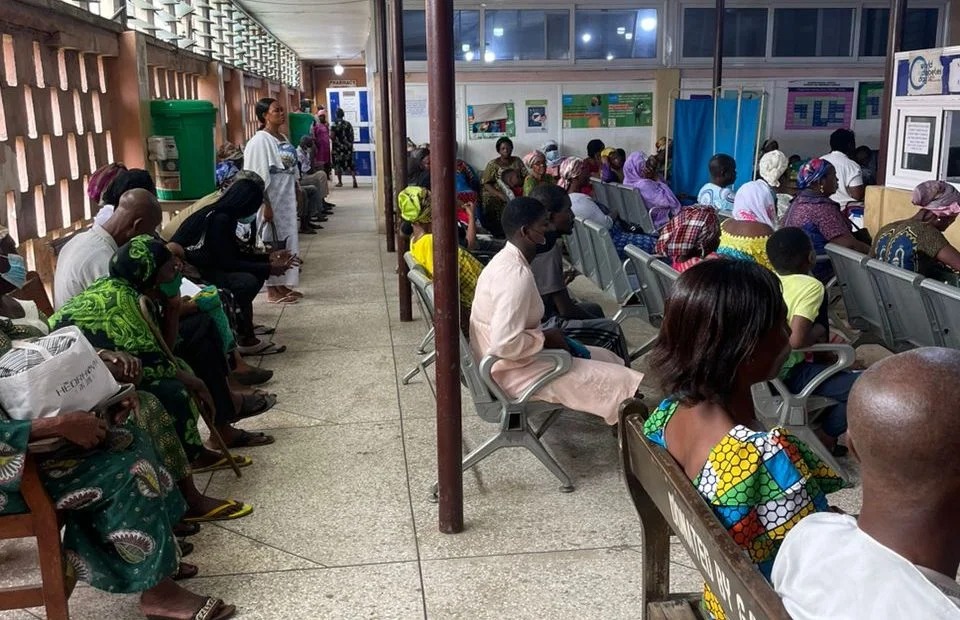
It was barely 6:30 a.m. when I arrived at the hospital, clutching my stomach in pain. Like every other patient seated on the hard benches, I had one expectation, to see a doctor and receive relief. Instead, what awaited me was a marathon of queues.
The first queue was to retrieve my hospital folder. The second was to pay for services. The third was to wait outside the consulting room. Hours passed. The pain persisted. Patients shifted uncomfortably in their seats. Some lay across benches, too weak to sit upright. Mothers struggled to comfort crying children while elderly patients leaned on relatives for support.
When I finally saw the doctor, laboratory tests were requested. Some of the tests had to be conducted early the following morning, meaning I had to return the next day despite my condition. Worse still, I was informed that certain samples would be sent to external laboratories. Although my samples had been collected, the results would not be available until another day.
As I walked home exhausted, one question lingered in my mind: Must accessing healthcare be this physically and emotionally draining, especially for people who are already ill?
Unfortunately, this is not an isolated experience. It reflects the daily reality of thousands of Ghanaians seeking medical care across the country.
Healthcare should alleviate suffering, not add to it. Yet, for many patients, the process of obtaining treatment often becomes an endurance test.
The irony is striking. People visit hospitals because they are weak, in pain or anxious about their health. Yet they are expected to spend entire days moving from one queue to another before receiving attention. By the time many finally return home, they are often more exhausted than when they arrived.
It is therefore not surprising that many people resort to self-medication or purchase over-the-counter medicines from pharmacies without proper diagnosis. While this practice carries significant health risks, one cannot ignore the frustration that drives many to avoid the lengthy hospital process altogether.
The increasing pressure on Ghana’s healthcare facilities calls for a fundamental rethink of how healthcare services are delivered. Around the world, technology is transforming healthcare by reducing unnecessary hospital visits while ensuring that patients still receive quality medical attention.
Many countries now operate medical call centres staffed by trained doctors and nurses who provide professional advice over the telephone or through secure digital platforms. Patients describe their symptoms, receive medical guidance and are advised whether home treatment is sufficient or whether an in-person hospital visit is necessary. This simple intervention significantly reduces congestion at health facilities and allows doctors to focus on patients who genuinely require physical examination or emergency care.
Imagine if Ghana established a National Telehealth Service accessible through a simple three-digit number or a mobile application. A patient suffering from a minor stomach upset, seasonal flu, mild skin conditions, headaches or medication-related questions could first consult a healthcare professional remotely before deciding to visit a hospital.
Such a system would not replace hospitals. Rather, it would complement existing healthcare services by ensuring that only patients requiring physical examination or specialised treatment visit health facilities.
Government could also introduce scheduled virtual consultations for follow-up appointments. Many patients who return to hospitals simply to discuss laboratory results or receive routine medical advice could do so through secure phone or video consultations. This would save patients valuable time while easing pressure on outpatient departments.
Digital appointment systems could equally transform the patient’s experience. Instead of arriving before dawn to secure a place in a queue, patients could book consultation times electronically and arrive shortly before their appointments. Waiting times would reduce significantly, and hospitals would manage patient flow more efficiently.
Another area requiring urgent attention is laboratory services. Where feasible, hospitals should invest in expanding in-house diagnostic capacity so that commonly requested laboratory tests can be completed within the facility. Where external laboratories must be used, digital transmission of results should become standard practice, allowing doctors and patients to receive reports electronically without unnecessary return visits.
Community pharmacies can also play a greater role within a structured referral system. Properly trained pharmacists can safely manage minor ailments and refer complicated cases to hospitals, helping to reduce unnecessary congestion at health facilities.
Public education will be equally important. Citizens must understand when a hospital visit is essential, when teleconsultation is appropriate and when pharmacies can safely manage minor conditions. Better health literacy would improve outcomes while reducing avoidable hospital attendance.
Of course, telemedicine is not suitable for every situation. Medical emergencies, severe pain, trauma, surgical conditions and many chronic illnesses still require direct physical examination and hospital-based care. However, not every headache, cough, medication review or laboratory discussion requires an entire day spent at a hospital.
Ghana has embraced digital transformation in many sectors. Citizens transfer money through mobile phones, file taxes online, renew passports electronically and access numerous government services digitally. Healthcare should not be left behind.
The objective should not merely be building more hospitals, but creating smarter healthcare systems that bring quality medical care closer to people while reducing unnecessary hardship.
No sick person should have to choose between enduring endless queues and risking self-medication.
The future of healthcare lies not only in more hospital buildings but also in smarter, patient-centred systems that combine technology, professional expertise and compassionate service. As Ghana continues its journey toward universal health coverage, perhaps the most important question is no longer whether we can modernise healthcare delivery, but whether we can afford not to.
The writer is a Staff of the Information Services Department