ACCRA, Jun 5 (THE AFRICAN PORTAL) – The African Media and Malaria Research Network (AMMREN) has called for stronger action to address climate change and environmental degradation, warning that their impact on public health continues to grow across Ghana and Africa.
In a statement to mark World Environment Day 2026, observed under the theme “Inspired by Nature. For Climate. For Our Future,” the network said protecting the environment was essential to safeguarding human health and building resilient communities.
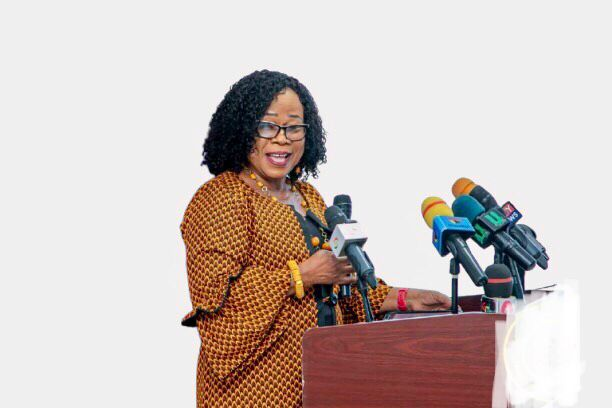
The statement, signed by Dr. Charity Binka, Executive Secretary of AMMREN, stressed the need for governments, communities and individuals to prioritise environmental protection as part of efforts to improve public health outcomes.
“Climate change is not only an environmental issue; it is increasingly becoming a public health emergency that disproportionately affects vulnerable populations, particularly women, children and low-income communities,” Dr. Binka stated.
According to the statement, rising temperatures, changing rainfall patterns, floods, droughts and environmental degradation are contributing to increased disease burdens, food insecurity, displacement and loss of livelihoods across Ghana and many parts of Africa.
It noted that climate variability also affects the transmission patterns of vector-borne diseases such as malaria, placing millions of people at heightened risk.
The organisation expressed concern about environmental destruction resulting from deforestation, pollution, poor waste management and the unsustainable exploitation of natural resources, saying such activities continue to undermine efforts to build healthy and resilient communities.
AMMREN further noted that the pollution of water bodies through illegal mining activities, indiscriminate disposal of waste and the destruction of wetlands threatens both environmental integrity and public health outcomes.
The statement observed that poor sanitation and choked drains create breeding grounds for mosquitoes and other disease vectors, increasing the risk of malaria and other communicable diseases.
It advocated nature-based solutions, including the protection of forests, restoration of degraded landscapes, conservation of biodiversity, safeguarding of water resources and the promotion of climate-smart agricultural practices as sustainable and cost-effective approaches to climate adaptation and mitigation.
The organisation also highlighted the role of the media in promoting climate literacy, combating misinformation, amplifying community voices and holding institutions accountable for environmental stewardship and climate commitments.
AMMREN called on government institutions to strengthen policies and investments that promote environmental protection, climate resilience and public health. It also urged local authorities to prioritise waste management, drainage maintenance and environmental sanitation in communities.
The statement further encouraged traditional and religious leaders to champion environmental conservation and sustainable practices, while urging citizens to adopt environmentally responsible behaviours, including tree planting, proper waste disposal, water conservation and the protection of natural ecosystems.
“When we protect nature, we protect health. When we act on climate, we secure our future,” Dr. Binka stated, urging all stakeholders to recommit themselves to safeguarding the environment, strengthening climate resilience and promoting healthier communities across Ghana and Africa.