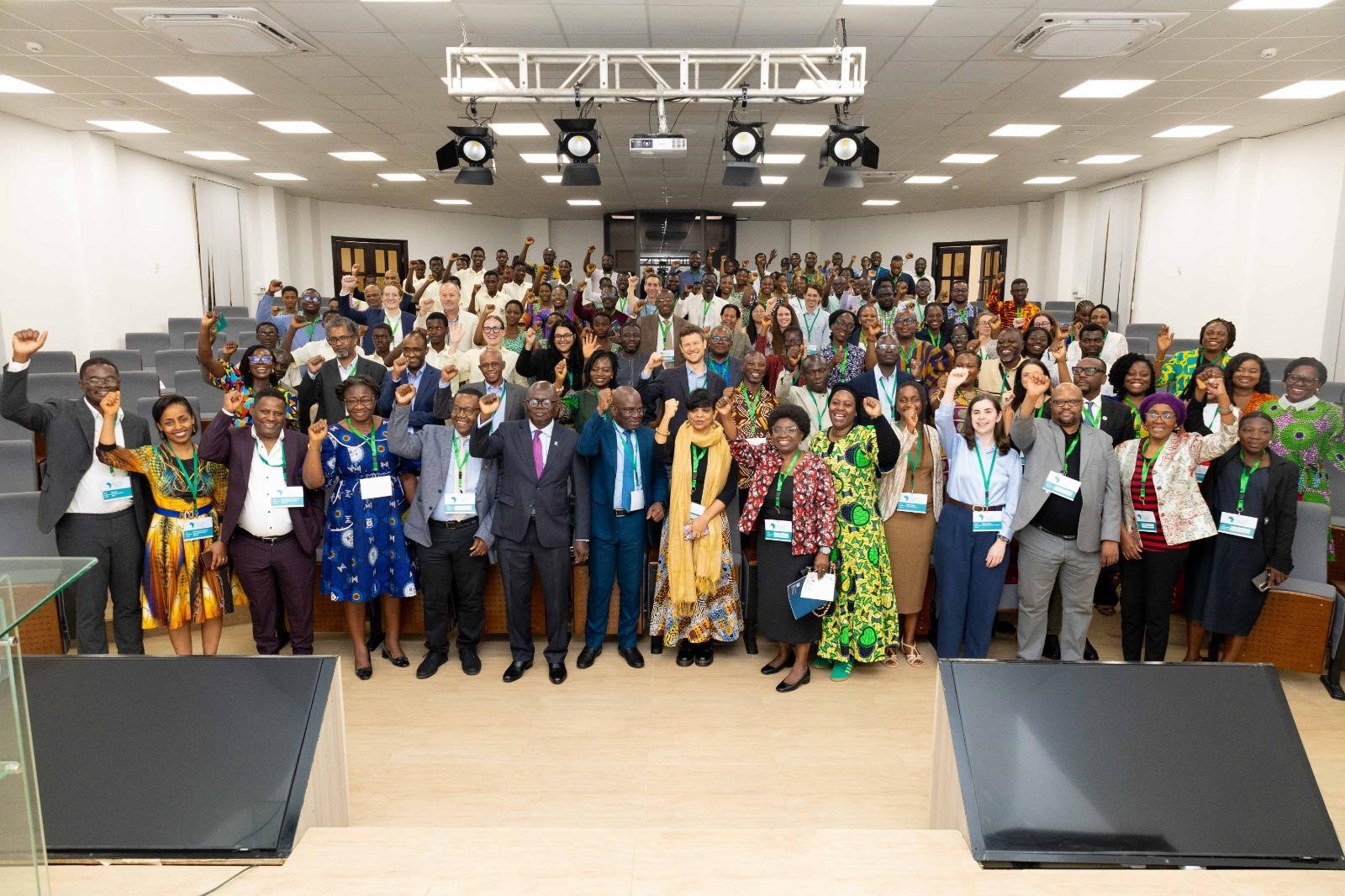
A new African-led initiative aimed at transforming food systems across the continent has been launched in Accra, as experts warn of mounting pressure from malnutrition, climate change and rising food prices.
The Africa Regional Collaborative for Agriculture, Nutrition and Health (ANH-ARC) was unveiled at the University of Ghana on 30 April 2026. It brings together leading research and policy institutions to strengthen the use of evidence in shaping food and nutrition policies.
The initiative seeks to close the gap between research and decision-making by promoting collaboration among African experts and ensuring that scientific findings are translated into practical policies and investments.
Food systems across Africa are facing growing strain from a combination of factors, including rapid urbanisation, climate change and fragmented governance. While research on these challenges has expanded, experts say its application in policy has remained inconsistent.
Professor Amos Laar, who leads the project at the University of Ghana, said decisions on agriculture, nutrition and health are too often made separately.
“Agriculture, nutrition and health can no longer operate in silos,” he said. “Evidence must connect them to inform policy decisions.”
The Collaborative is jointly led by the University of Ghana, Policy Studies Institute and Stellenbosch University.
Dr Alebel Weldesilassie of the Policy Studies Institute said improving access to affordable, nutritious food would require not only strong evidence but also better alignment of financing and policy.
Professor Kennedy Dzama of Stellenbosch University highlighted the need for stronger governance systems to ensure that research leads to measurable impact.
The initiative will also prioritise gender equity and climate resilience, with organisers warning that policies which fail to consider these factors risk worsening inequalities and undermining long-term sustainability.
Dr Tseday Mekasha said embedding these considerations into policy design was essential for lasting change.
ANH-ARC forms part of a global science–policy platform convened by the London School of Hygiene & Tropical Medicine in partnership with Tufts University and the University of Sheffield.
Speaking on behalf of the platform, Dr Suneetha Kadiyala said the initiative reflected a shift towards more locally led research and decision-making.
The project is supported by funding from the UK government and the Gates Foundation.
Professor John Edmunds, Chief Scientific Adviser at the UK Foreign, Commonwealth and Development Office, said it would help connect researchers and policymakers to address urgent development challenges.
Organisers say the initiative will work through regional networks across Africa and align with frameworks set by the African Union to promote more coordinated and evidence-based food system reforms.
They say its success will depend on how effectively it turns research into action to improve diets, nutrition and health across the continent.