
Government is planning to reduce the civil service by about 2 000 employees through redeployment, natural attrition and a possible voluntary exit scheme.
This is said to be a move that seeks to contain a wage bill projected to consume a third of national expenditure.
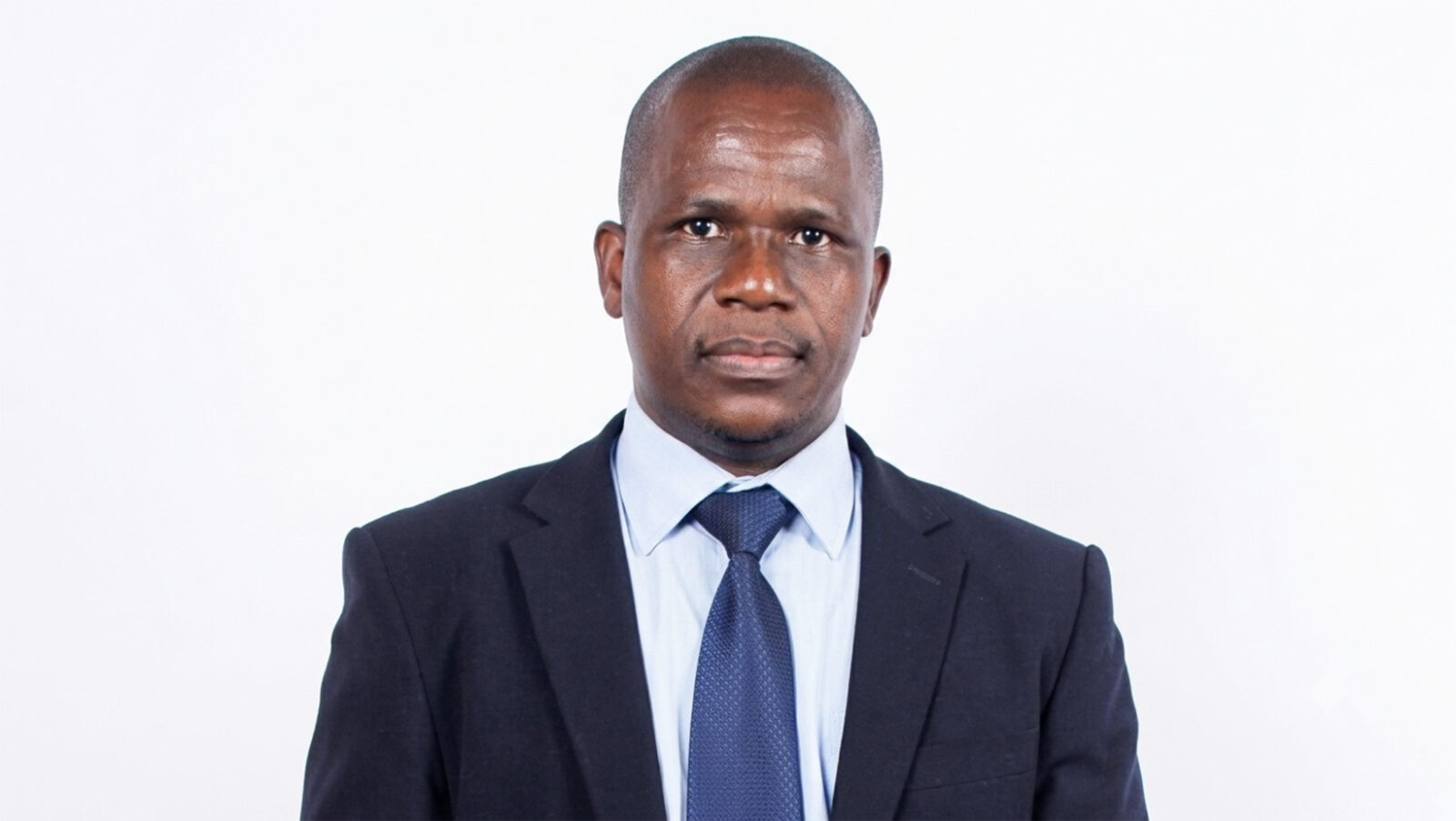
Principal Secretary in the Ministry of Public Service Mthunzi Shabangu said the move comes despite government insisting that the hiring freeze introduced in 2018 is no longer in force.
He said while ministries are technically free to recruit, appointments are now tightly controlled through management audits, workforce planning and budget availability, signalling a shift from an outright recruitment ban to selective hiring.
Shabangu said the apparent increase of about 3 300 employees reported during the first quarter of the 2026/27 financial year did not represent a massive recruitment drive as widely perceived.
Instead, he said only 68 permanent civil servants were recruited, while most of the increase reflected contract teachers and temporary extra clerical officers (ECOs) returning to the government payroll after annual contract renewals.
The disclosures contained Shabagu’s responses to questions from this publication, reveal a government attempting to strike a delicate balance between reducing expenditure, maintaining public services and avoiding politically sensitive retrenchments.
Although the ministry stops short of describing the reforms as a downsizing exercise, the measures outlined point to a deliberate effort to gradually reshape the size and composition of the public service.
At the heart of the strategy, Shabangu said, are management audits and Alternative Service Delivery (ASD), which assess where employees are most needed and identify opportunities to deploy existing staff more efficiently instead of recruiting new personnel.
According to the responses, civil servants may, therefore, find themselves transferred to different ministries, redeployed to high-demand service areas or assigned new responsibilities better aligned with their qualifications and experience.
Shabangu said the restructuring will also be supported by capacity-building programmes aimed at equipping employees with additional skills, allowing them to move across different functions as government priorities evolve.
Rather than relying on compulsory retrenchments, he said government intends to reduce staff numbers gradually through retirements, resignations and workforce restructuring.
“The aforementioned initiatives seek to reduce and/or manage the wage bill by approximately 2 000 employees in the medium term,” he said.
The restructuring comes against the backdrop of an expanding public sector wage bill following the recent salary review.
Shabangu said they also intend integrating management audit findings with payroll and establishment data so that future recruitment decisions are based on operational needs rather than simply filling vacancies.
He said one of the options being considered to reduce long-term employment costs is the revival of the early voluntary exit retirement scheme (EVERS). EVERS is a programme that was introduced by the ninth Parliament. This was at the pinnacle of the dire financial straits the country faced after a global meltdown in 2010. It was a programme touted to help government curb its wage bill, in particular with salaries. It was under the Ministry of Public Service as it targeted at least 15 per cent of non-core staff within government.
The PS confirmed that discussions around the programme remain active, although no final decision has been taken. Shabangu said if approved, funding for the initiative would only be considered in the 2027/28 financial year.
“This is one of the options of wage bill containment that the Ministry of Public Service has been mooting, but the idea is not yet solidified and approved,” Shabangu said.
The proposal, he said, would offer eligible employees an opportunity to leave the public service voluntarily, enabling government to reduce salary obligations without resorting to compulsory job cuts.
He said EVERS possible return is likely to attract keen interest from thousands of civil servants approaching retirement age. Worth noting is that while government insists the hiring freeze has ended, its own explanation illustrates why employment opportunities within the civil service remain limited.
The blanket freeze imposed under Establishment Circular No.2 of 2018 was lifted through Establishment Circular No. 3 of 2023.
However, ministries no longer recruit automatically whenever vacancies arise. Instead, every appointment must first be justified through completed management audits and approved within available personnel budgets.
This results in a recruitment system that remains highly restrictive, even without a formal hiring freeze. Shabangu said no ministry is currently being singled out for recruitment restrictions and rejected suggestions that some government professions are valued less than others.
“There is no function which has less value than the other,” he said, adding that recruitment is instead guided by national priorities and immediate service delivery pressures.
Credit: Times of Eswatini