ADDIS ABEBA, Dec 16 (The African Portal) – The saying, “When rumors spread faster than medicine, lives are at risk,” is far more than a proverb in Ethiopia—it reflects a harsh and persistent reality. Although maternal mortality has decreased over recent decades, the risks women face remain considerable. In 2022, a woman’s lifetime risk of dying from pregnancy-related causes was estimated at 1 in 67, a figure that underscores the fragility of maternal health in the country.
When health misinformation is added to this already difficult landscape, preventable deaths become even more frequent. From false COVID-19 remedies to myths surrounding vaccines and maternal health services, misinformation undermines public trust, delays critical care, and puts mothers and newborns in danger.
Health-related misinformation in Ethiopia manifests in numerous ways. Some parents believe that modern contraceptives lead to infertility, discouraging women from using reliable family-planning methods. Others fear that the Tetanus Toxoid (TT) vaccine administered to adolescent girls causes infertility—an unfounded claim that spreads easily through schools, social networks, and community discussions. In reality, the TT vaccine is a proven tool that protects both mothers and infants from life-threatening infections during childbirth.
During the COVID-19 pandemic, many people turned to garlic, ginger, and even coffee as supposed “miracle cures.” Both in rural communities and major urban centers, herbal or spiritual “treatments” for illnesses such as HIV and tuberculosis continue to be promoted as substitutes for proper medical care. Likewise, harmful myths surrounding pregnancy, ranging from avoiding specific foods to the belief that home delivery is inherently safer, remain widespread. These misconceptions not only undermine evidence-based healthcare but also place mothers and newborns at significant risk.
Personal Stories: Deadly consequences of misinformation
The following two tragic stories, emblematic of a much broader problem, illustrate how health misinformation, even when shared out of genuine care and concern, can lead to devastating consequences.
The first incident involved a pregnant woman who developed swelling in her face, hands, and feet, an indicator of pregnancy-related hypertension (pre-eclampsia). Although a trained health professional immediately advised her to seek medical care, she chose instead to trust neighbors who insisted the swelling was merely “normal.” This critical delay in seeking treatment resulted in the premature birth and subsequent death of the infant, while the mother endured serious complications.
The second case involved a woman suffering from severe headaches. However, her mother-in-law attributed the symptoms to “Mich” (a traditional explanation roughly translating to a heat-related illness) and administered an herbal preparation. Her condition deteriorated significantly, culminating in the baby requiring two months of intensive care following the birth.
I believe that not all traditional advice is misguided, and traditional healers continue to play an important role in many communities. However, when severe medical symptoms are dismissed or ignored based on unsubstantiated myths or misinformation—rather than being accurately assessed and confirmed by trained health professionals—the resultant risk can swiftly escalate to become life-threatening.
The dangerous effects of health misinformation are manifold. It contributes to lower vaccine uptake and delayed immunization—not only for childhood diseases but also for critical maternal vaccines such as tetanus toxoid (TT). Despite the well-documented benefits of TT vaccination in preventing deadly infections during childbirth, many pregnant women in Ethiopia remain unprotected due to persistently low coverage rates.
Misinformation also leads to reduced utilization of essential maternal health services, including antenatal care, facility-based delivery, and postnatal care. As highlighted by several studies, this trend directly undermines national and global efforts to reduce maternal and neonatal mortality.
Additionally, people increasingly turn to unproven home remedies or herbal treatments, often delaying or forgoing professional medical care altogether. Misinformation fuels stigma as well—particularly against individuals living with HIV or tuberculosis—based on false or misleading beliefs that perpetuate fear and discrimination.
Perhaps most insidiously, health misinformation erodes public trust in the formal health system. As confidence wanes, individuals become more likely to rely on hearsay, community gossip, or long-held but outdated traditions rather than seeking timely, evidence-based care from trained health professionals.
Countering the Infodemic: Saving lives from false health narratives
Social media platforms, messaging applications, and informal community networks serve as powerful channels for both accurate information and harmful misinformation. In some regions, rumors—such as claims linking vaccines to infertility—often spread more rapidly than evidence-based public health guidance. Word-of-mouth, religious interpretations, and community gossip frequently carry greater influence than official announcements, particularly in areas where trust in institutions is limited.
At the same time, mass media—including radio, television, print, and digital platforms—offers a significant opportunity to disseminate reliable information widely and efficiently. The challenge lies in unchecked rumors, sensationalized reporting, and delays in issuing timely corrections, all of which can undermine public confidence and impede effective health interventions.
Significant efforts have been made to counter health misinformation in Ethiopia. Community-based programs—such as those led by health extension workers and the Health Development Army—deliver vital health education directly to households, often in local languages and through trusted community members. These grassroots initiatives help bridge the gap between formal health systems and the communities they serve.
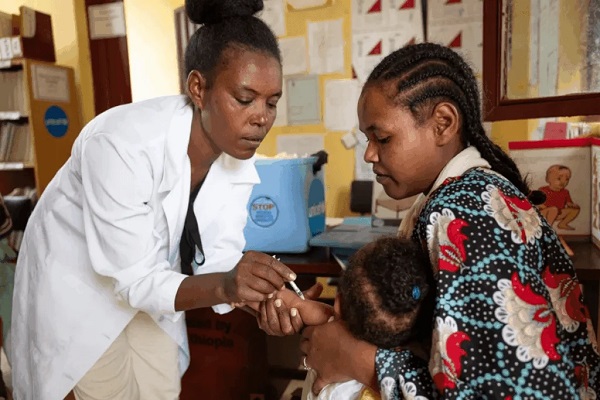
National immunization campaigns and targeted outreach efforts have also sought to expand coverage of life-saving vaccines, including the tetanus toxoid (TT) vaccine for pregnant women and routine childhood immunizations. Such programs play a crucial role in dispelling myths and encouraging uptake.
During public health emergencies, such as the COVID-19 pandemic, coordinated public health messaging—though imperfect—has shown the potential of media and communication strategies to reach wide audiences quickly and influence health behaviors.
Despite these important advances, misinformation often outpaces fact-checking and official communication. This is due to a confluence of factors: deeply entrenched beliefs, limited digital literacy, underdeveloped media infrastructure, and cultural norms that can make communities skeptical of external health guidance. As a result, even well-designed interventions sometimes struggle to keep pace with the rapid spread of false or misleading information.
To effectively address the epidemic of health misinformation in Ethiopia, a multifaceted and culturally grounded approach is essential.
First, digital and health literacy programs must be expanded to empower communities to critically assess the health information they encounter. Such initiatives should equip individuals with practical skills—how to verify sources, ask informed questions, and confidently seek care from qualified health professionals.
Second, trusted messengers—including community elders, religious leaders, health extension workers, and respected public figures—must be engaged to deliver clear, culturally appropriate health guidance. Their credibility within communities positions them uniquely to counter harmful myths and foster trust in evidence-based care.
Third, strategic multimedia campaigns are needed, leveraging radio, television, print, and social media in local languages to ensure messages resonate across diverse audiences. Special attention must be given to reaching rural and marginalized populations, who are often the most vulnerable to misinformation and least connected to formal health systems.
Fourth, robust rumor-tracking and rapid response mechanisms should be established to identify false health narratives as they emerge and swiftly disseminate accurate, accessible corrections.
Fifth, interventions must prioritize rural and marginalized communities, where the dual burdens of misinformation and limited access to health services are most acute. Tailored outreach and sustained engagement are crucial in these settings.
Finally, promoting media ethics and accountability is vital. Journalists and media outlets play a powerful role in shaping public understanding of health issues; ensuring their reporting is accurate, responsible, and grounded in scientific evidence is essential to building a healthier, better-informed public.
Health misinformation is far more than a mere inconvenience; it constitutes a life-threatening epidemic. It erodes trust in the health system, delays timely medical care, discourages vaccination, and drives families to rely on unsafe remedies or traditional practices that are inadequate for serious medical conditions. In a country where each maternal death reverberates through families and communities, misinformation can be the difference between life and death.
Through strong community engagement, culturally sensitive campaigns, improved media literacy, and accountable health communication, Ethiopia can counter false narratives, restore confidence in its health services, and, most importantly, save lives. If accurate information can travel as quickly as—or faster than—rumor, mothers and children will finally have a greater chance to survive and thrive.
Credit: Addis Standard