ACCRA, Dec 7 (The African Portal) – Food insecurity is undermining adherence to antiretroviral medication among young women living with HIV in Ghana’s Lower Manya Krobo Municipality. A Ghanaian public health researcher has revealed.
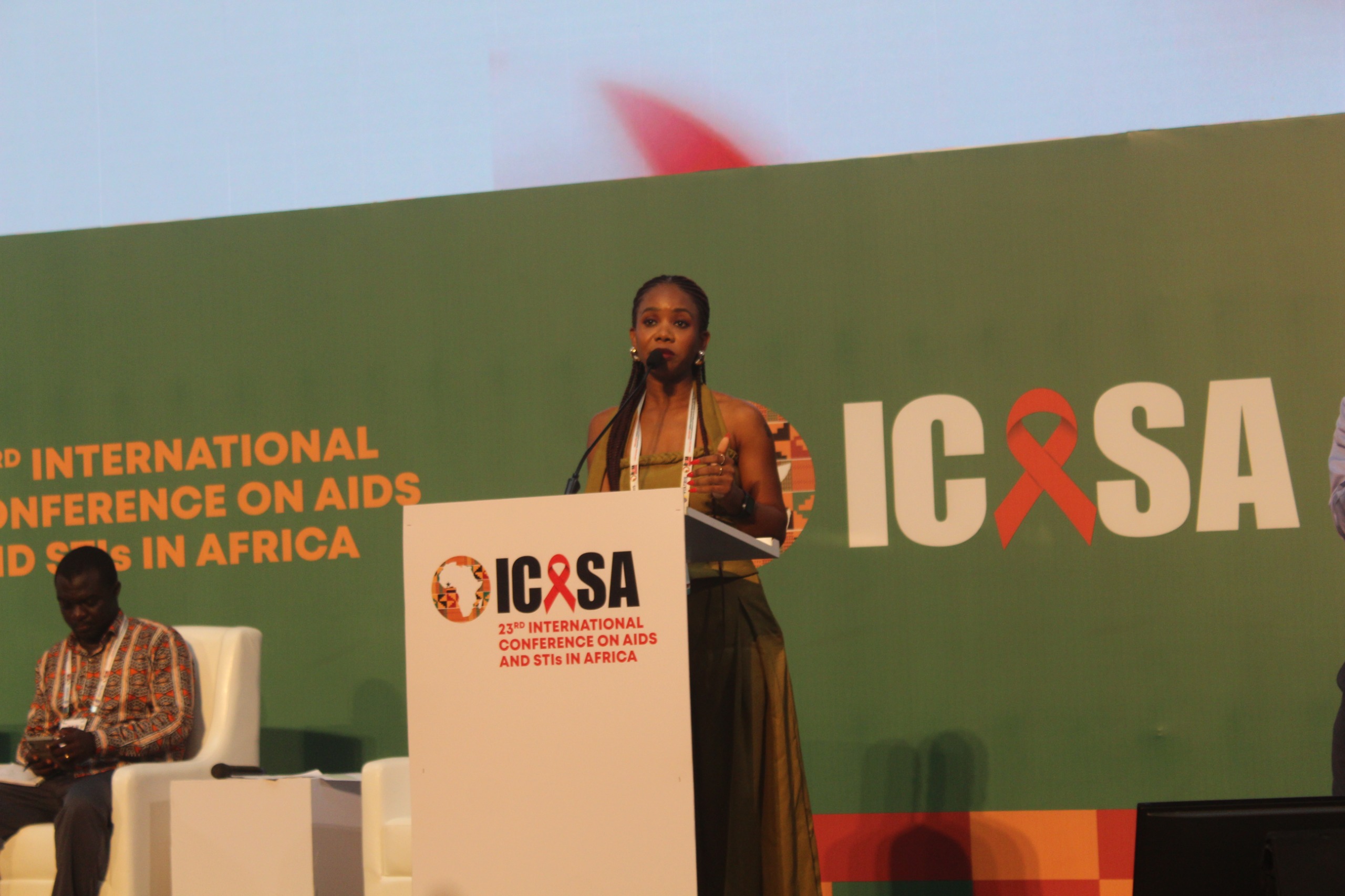
Miss Rachel Lawerh, a Ghanaian public health researcher and PhD candidate at the University of Ottawa, after sharing findings from her research titled “Through Our Eyes: Exploring the Experiences of Young Women Living with HIV in Lower Manya Krobo (Ghana) Using Photovoice,” at the twenty-third edition of the International Conference on AIDS and Sexually Transmitted Infections in Africa on 5 December, told The African Portal that although antiretroviral medication is free, many young women in Lower Manya Krobo struggle to take it consistently because they lack food.
“One of the key highlights I want to mention is food insecurity. So at the policy and community levels, we see there is a lot of food insecurity affecting adherence to ARV medication,” she said. “We know that ARVs are free, you go to the hospital and then you can get them but there is also a hidden cost. Participants mentioned that they are not able to completely adhere to the medication because if they do not have food to eat, they cannot adhere to the medication.”
She added that other costs also stand in the way of consistent treatment. “They have to pay for folder. There is also supplementary medication and tests you have to take and all these cost money.”
Miss Lawerh’s study used a participatory method known as photovoice, which allows young women to document their lived experiences through photographs and guided discussions. “Participants take pictures of things that have meaning for them and they use that to discuss what their life experiences are. So it allows participants to be creative. It also allows them to highlight the stories that are important to them and it gives room for an exhibition where we have community leaders come in and look at these pictures and the challenges that the people have identified within their communities and they talk about how to solve them,” she explained.
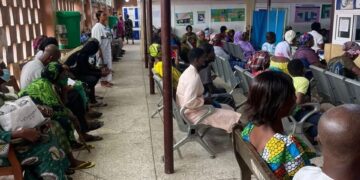
Her research also highlighted the crucial role of hospitals and counselling points, which have become safe spaces for young women who face stigma at home. “Some of them mention that they are not able to disclose their status and get support from their families due to stigma but when it comes to the VCTs at the hospitals in their communities, they are able to talk to some of the hospital health workers who serve as a source of support for them.”
She noted that recent funding cuts are threatening community interventions that many of these young women depend on. “Some of the girls in this study work as peer support for some of their peers living with HIV. So they go to the communities, talk to them and sometimes go for their medications for them when they are not able to go to the facilities. So this funding cut has rendered some of them jobless,” Miss Lawerh said.
She added that, “In one of the works I shared, one of the participants had to undergo a test but because she does not have money, she was unable to do it and that is as a result of the funding cut. People at the hospitals also mentioned that they used to have outreaches among others but with the funding cut, they had to scale back and reprioritise what they can do with the little funding they have.”
Looking ahead, she urged community based organisations to develop local solutions to reduce reliance on foreign donors. “We have to look at local funding. Our District hospitals used to have programs that support these girls with food among others. We need to go back to those and talk about how we can pull resources together. Community based organisations need to come together and see how best they can support these girls.”
She emphasised the need for long term empowerment. “Some of these girls are into petty trading. How can we provide them support to be able to push them? We cannot continue to rely on external support.”
Miss Lawerh also called on government to address structural challenges that hinder access to care. “Government need to step up. There is a lot that needs to be done. It is great work we are doing. We are doing trainings, providing ARVs but there is also other cost. Money for testing, transportation etc. If you go to Lower Manya Krobo Municipality, where I come from, the roads are poor and that is also affecting someone’s ability to get to the hospital because they say they stand by the road side for hours. When it rains, it floods but they need to go to the hospital and they are unable to do that.”
She stressed that HIV must be understood in its full social context. “Usually we see HIV from the lense of promiscuous behaviour but it goes beyond that.”
Background
The 23rd Edition of the International Conference on AIDS and Sexually Transmitted Infections in Africa (ICASA) opened in Accra on Wednesday with a rallying call to African leaders to invest in health sovereignty, protect rights, empower communities, and embrace innovation to end AIDS as a public health threat.
ICASA, a major bilingual conference held exclusively on the African continent for over 30 years, has played a pivotal role in mitigating the impact of HIV/AIDS, Tuberculosis, Hepatitis, and Malaria, while fostering an environment free from stigma and discrimination against people living with HIV (PLHIV) and their families. It is the first to be hosted by Ghana.
The conference, expected to close on December 8, is under the theme “Africa in Action: Catalysing Integrated Sustainable Responses to End AIDS, TB & Malaria. It aims to catalyze Africa’s progress toward triple elimination and the development of sustainable, resilient health systems. It also seeks to drive innovation through digital technologies and strengthen cooperation among governments, civil society, the private sector, and international organizations to enhance health security and improve pandemic preparedness and response.
It also seeks to strengthen capacity and facilitate knowledge exchange for healthcare professionals, researchers, and policymakers, empower communities and promote human rights and gender equality in the context of HIV/AIDS as well as emerging and reemerging disease sustainable solutions to fill the gap left by the withdrawal of critical AIDS funding.