NAIROBI, Dec 2 (The African Portal) – Transparency International Kenya (TI-Kenya) has raised fresh concern over public procurement, identifying it as one of the biggest entry points for corruption in the country’s public sector.
The organisation says irregularities in tendering continue to fuel embezzlement, inflate project costs, and undermine the delivery of essential services.
Procurement at the centre of corruption
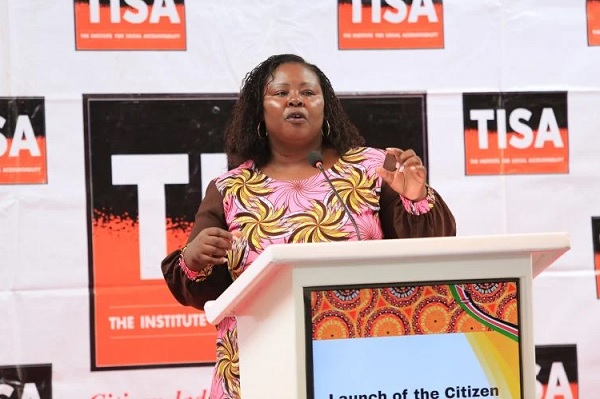
Speaking during the launch of the “Citizen Watch: Monitoring Public Contracts Through Social Accountability” module, on Tuesday, December 2, 2025, TI-Kenya Executive Director Sheila Masinde said procurement remains a recurring thread in many corruption scandals.
“Some of the cases dealing with misappropriation of funds, embezzlement, payments that are made irregularly, a lot of them go back to the issue of procurement,” she said.
Masinde noted that although the latest Ethics and Anti-Corruption Commission report shows 5.24 per cent of cases directly touching on procurement, a deeper examination reveals that many more corruption incidents are indirectly tied to manipulated tendering processes.
She said a wide range of unethical practices, including abuse of office, conflict of interest, favouritism, and foreign bribery, continue to distort procurement systems.
“Whether it’s abuse of office, conflict of interest, favouritism, or even foreign bribery, manipulation of procurement processes inflates costs, lowers the quality of goods and services, and misallocates resources meant for the people,” she added.
Push for e-procurement
This comes as President William Ruto pushes for e-procurement, which he says will help curb corruption and slash inflated government spending by ensuring all purchases are made transparently and at market value.
Ruto insists the digital system will eliminate profiteering networks that have long manipulated manual procurement processes, noting that it could cut costs by up to 40 per cent and protect taxpayers from exaggerated prices.
The Insititute for Social Accountability (TISA) Executive Director Diana Gichengo echoed the concerns, describing procurement as the space “where corruption hides in plain sight, in inflated costs, collapsed projects, and services that fail the people they’re meant to support.”
She emphasised the power of citizen oversight, saying: “And when citizens follow the procurement trail, we don’t just expose corruption. We protect lives, dignity, and the future of this country.” Gichengo added that “accountability is taken up through collaboration, consultation, and when necessary, contestation.”
Billions lost daily
Jan-Ole Voß, Deputy Head of Office at Konrad Adenauer Stiftung (KAS) Kenya, reminded participants of the heavy financial toll the country continues to bear due to graft. He said Kenya loses approximately KSh 3 billion every day to corruption, much of it hidden in procurement loopholes.
“I stepped into a landscape full of dedicated Kenyans, CSOs, journalists, county assemblies, and partners like the UN, all fighting to improve this country,” he said.
He highlighted the achievements of the TUNU project, noting that more than 220 civil society organisations, 110 journalists, and 11 county assemblies have worked to expose procurement-related corruption and strengthen governance.
TUNU Network representative Joseph Kioko shared grassroots victories, including a case where citizens successfully petitioned to abolish a county board illegally reappointed in violation of the Urban and Cities Act, which requires youth representation and bars reappointment of former members.
Strengthening oversight and public trust
“Public procurement is more than paperwork; it can stimulate local markets, promote sustainability, and build trust,” she said, adding that strategic procurement can help MSMEs and women-owned businesses participate more fully in the economy. “While progress is impressive, we’re still at the early stages,” she noted.
Matthew Brooke of the EU Delegation to Kenya described the Citizen Watch module as a critical tool to strengthen governance, saying procurement accounts for between 40 and 60 per cent of government spending.
He stressed the importance of transparency and public engagement in ensuring that public money serves citizens.
Francis Kissinger from the Public Procurement Regulatory Authority (PPRA) underscored the shared responsibility in procurement oversight.
“Accountability in procurement is everyone’s responsibility, from regulatory bodies and accounting officers to suppliers, citizens, and civil society,” he said.
The Citizen Watch module launched on Tuesday will equip citizens, journalists, and county assemblies with tools to track contracts, detect irregularities, and demand accountability, marking a significant step in strengthening Kenya’s fight against procurement-linked corruption.
Credit: Peopledaily