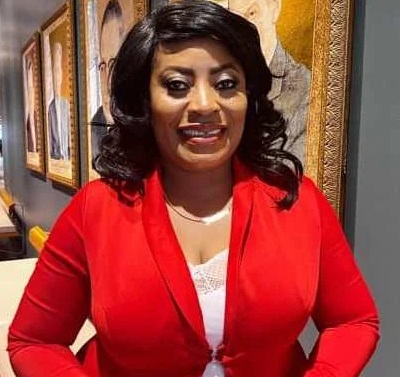
ACCRA, Mar 5 (THE AFRICAN PORTAL) – Ghanaian media personality and gender advocate Josephine Oppong-Yeboah has called for stronger access to justice for women and girls, saying inclusive legal systems are essential for achieving gender equality.
She said many women and girls around the world continue to face structural barriers that limit fair and equal access to justice.
Ms Oppong-Yeboah said improving access to legal systems could help eliminate discriminatory laws, policies and practices that affect the wellbeing and progress of women, particularly in the Global South.
She made the remarks in a media interview ahead of this year’s International Women’s Day, marked annually on 8 March.
The theme for this year’s celebration, “Give to Gain,” encourages a culture of generosity and collaboration to support women’s advancement.
Ms Oppong-Yeboah said the theme highlights the importance of reciprocity and collective support.
“When people, organisations and communities give generously, opportunities and support for women increase, allowing them to thrive,” she said.
“We can all contribute in different ways to advance opportunities for women and girls.”
She added that support could come through donations, knowledge-sharing, resources, infrastructure, advocacy, education, training, mentoring or volunteering time.
According to Ms Oppong-Yeboah, such contributions help create a more supportive and interconnected environment for women’s empowerment.
She also noted that many young women in several countries, including the United States and Ghana, face career stagnation because of workplace policies that can inadvertently disadvantage women.
Citing data from Fora: Network for Change, a non-profit organisation focused on gender equity in the workforce, she said 93% of Canadian women and gender-marginalised workers aged between 18 and 29 report seeing no clear pathway to promotion in their workplaces.
Ms Oppong-Yeboah said women also face multiple barriers in accessing justice, including high legal costs, limited legal aid and systemic biases within legal institutions.
Socio-economic factors such as poverty, caregiving responsibilities and geographical isolation – particularly for rural women – further limit access to justice, she added.
She said discriminatory legal frameworks, fear of retaliation and insensitive court processes can discourage many women from reporting abuse or seeking legal redress.
Ms Oppong-Yeboah urged governments, civil society organisations, and community leaders in Ghana, across Africa, and around the world to strengthen legal systems and support structures that ensure women and girls can seek justice without fear, stigma, or financial barriers.
She said meaningful progress requires a collective commitment from institutions, policymakers, and individuals alike to build inclusive societies where women have equal opportunities to thrive.
Her call comes as advocates around the world prepare to mark International Women’s Day on March 8, a global observance dedicated to advancing women’s rights, equality, and empowerment.