ACCRA, Jan 8 (The African Portal) – At dawn in Old Fadama, before the city fully wakes, Maame Serwaa Lucy begins her routine. She boils water over a charcoal stove, sweeps soot from the floor and checks on her husband, Kojo Boat, whose breathing is already laboured. A faint smell of burnt plastic hangs in the air — a reminder of nearby Agbogbloshie, once Africa’s largest informal electronic-waste site.
Boat, no longer works. For years, he dismantled discarded electronics and burned cables to extract copper, inhaling thick smoke day after day. Now he suffers from persistent coughing, chest pain and fatigue that confine him indoors. Ama, who once earned a living as a petty trader, has stopped working to care for him.
“If I leave him alone, I am afraid something will happen, so I stay,” she said,
Kojo’s illness has wiped out the household’s income. Serwaa spends most of her day bathing him, preparing special meals, escorting him to clinics and managing medication when money allows. She spends between 10 and 12 hours daily on unpaid care.
Her experience reflects a pattern playing out quietly across communities affected by hazardous waste: while men often handle toxic materials, women shoulder the long-term burden when exposure leads to illness.
Pollution Beyond the Dumpsite
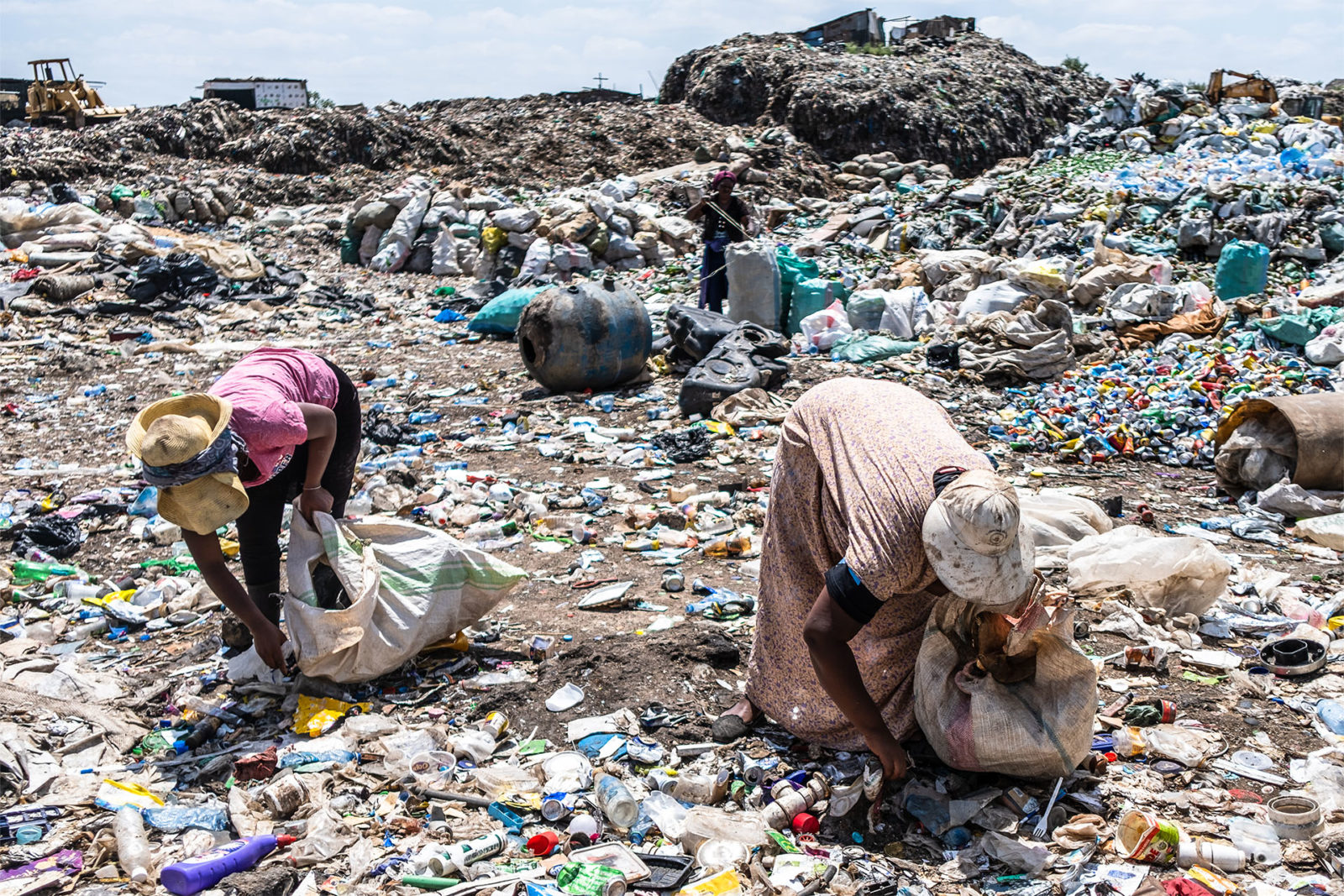
For decades, Agbogbloshie received large volumes of electronic waste processed through informal burning, dismantling and dumping. These activities released hazardous substances including lead, mercury, cadmium and dioxins into surrounding soil, water and air.
Health studies conducted around former e-waste zones in Accra have repeatedly found heavy metal concentrations far above recommended safety limits. Airborne particulate matter from burning cables has been linked to respiratory disease, while prolonged exposure to toxic substances is associated with neurological impairment, cardiovascular illness and increased cancer risk.
“Toxic pollution affects entire households,” said Dr. Emmanuel Ampadu, a public health specialist at Anton Medical Hospital. “When one person becomes sick, someone else, usually a woman, takes on the care.”
According to Ampadu, national time-use data shows that women in Ghana already perform most unpaid domestic and care work adding that when environmental exposure results in chronic illness, that workload increases sharply, often without support.
“When pollution becomes normalised, families suffer silently. Women carry much of the emotional and physical strain” he added.
He also pointed to heightened biological risks, noting that exposure to heavy metals and persistent organic pollutants has been linked to reproductive health problems, including pregnancy complications and developmental harm to children, extending the impact of pollution across generations.
Lucy Amissah, a gender and development advocate, described unpaid care work as an overlooked consequence of environmental harm.
“The pollution may violate international law but the consequences are enforced daily inside women’s homes,” she stated.
A Convention and a Commitment
African governments anticipated the dangers of hazardous waste more than 30 years ago.
In 1991, they adopted the Bamako Convention, which bans the import of hazardous waste into Africa and regulates the movement and management of such waste within the continent. The treaty goes beyond global agreements by recognising Africa’s vulnerability to becoming a dumping ground.
The Convention obliges signatory states to prevent hazardous waste dumping, ensure environmentally sound waste management, protect human health and ecosystems, and apply the precautionary principle of acting before harm becomes irreversible.
Yet in communities such as Old Fadama and Agbogbloshie the legacy of toxic exposure continues to shape daily life, raising questions about enforcement and accountability.
Even though Ghana has not ratified the Bamako Convention which would hold the government accountable, the country’s Environmental Protection Agency (EPA) says it has strengthened its hazardous and electronic waste regulations through licensing, monitoring and enforcement.
“Ghana is committed to the principles of environmentally sound management as required under international conventions. We have improved controls on hazardous waste flows and continue remediation efforts”, said Emmanuel Boasiako, an EPA official.
Mr Boasiako acknowledged, however, that pollution from past activities continues to affect communities long after dumping and burning have stopped.
A Preventable Crisis
Environmental advocate, Kwame Appiah argues that many of the health impacts from hazardous waste were foreseeable adding that while men dominate hazardous waste handling, women face continuous exposure at home.
Lives on Pause
Ama’s story illustrates how hazardous waste does not end at borders, dumpsites or treaties. Its consequences settle into households, reshape family roles and quietly transfer the cost of environmental damage onto women.
Until the risks associated with hazardous waste are fully accounted for, reported and prevented, women will continue to bear the consequences of a lack of action.
This story was written by Benedicta Gyimaah Folley